
How the Body Produces Plasmalogens: The Complete Science of Biosynthesis, Cellular Function, and Healthy Aging
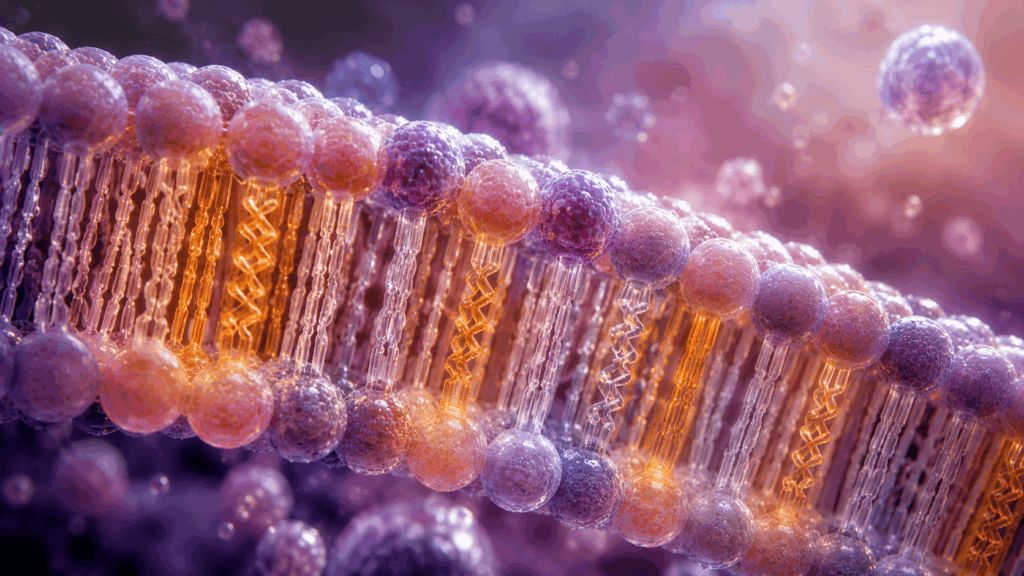
How the Body Produces Plasmalogens Plasmalogens are among the most important — yet least understood — molecules in human biology. These specialized phospholipids are essential components of cell membranes, especially in the brain, heart, immune system, and mitochondria. Scientists now recognize plasmalogens as key players in healthy aging, cognitive performance, membrane flexibility, antioxidant protection, and […]
How Plasmalogens Influence Cellular Energy
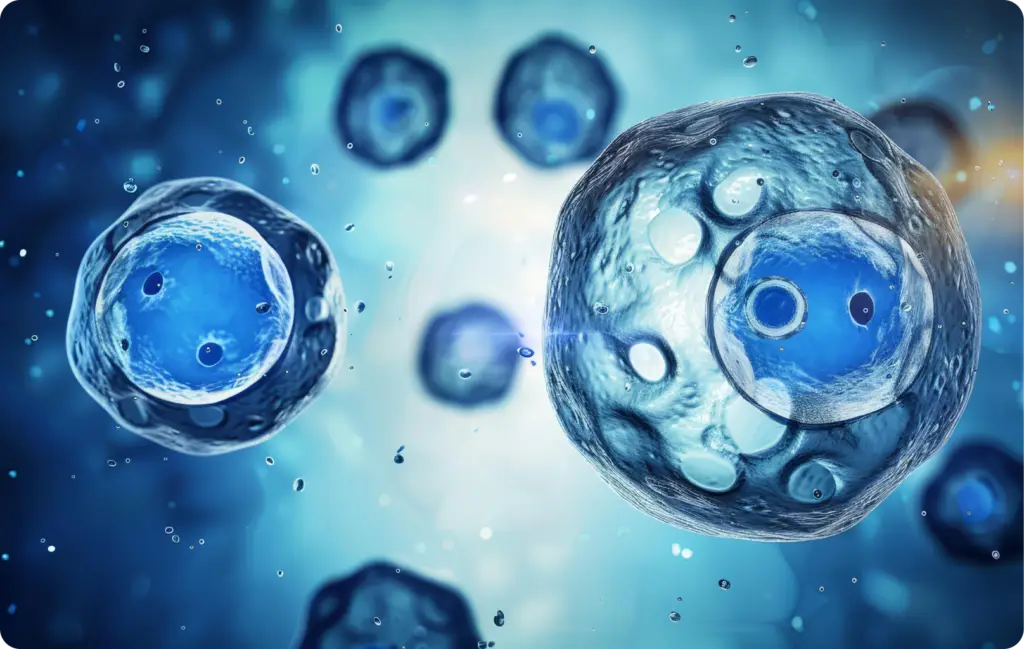
Cellular energy depends on more than calories, nutrients, or mitochondria alone. Every cell must convert biological fuel into usable energy while protecting its membranes, managing oxidative stress, maintaining ion gradients, communicating with other cells, and repairing internal structures. Plasmalogens influence cellular energy because they sit at the intersection of membrane biology, mitochondrial function, peroxisomal metabolism, […]
How Plasmalogens Influence Aging

Aging is not driven by one pathway. It reflects changes across many biological systems, including cell membranes, mitochondria, peroxisomes, oxidative stress, inflammation, lipid metabolism, vascular function, immune regulation, and tissue repair. Plasmalogens influence aging because they sit at the intersection of several of these systems. They are specialized ether phospholipids found in cellular membranes throughout […]
How Plasmalogens Affect Brain Function
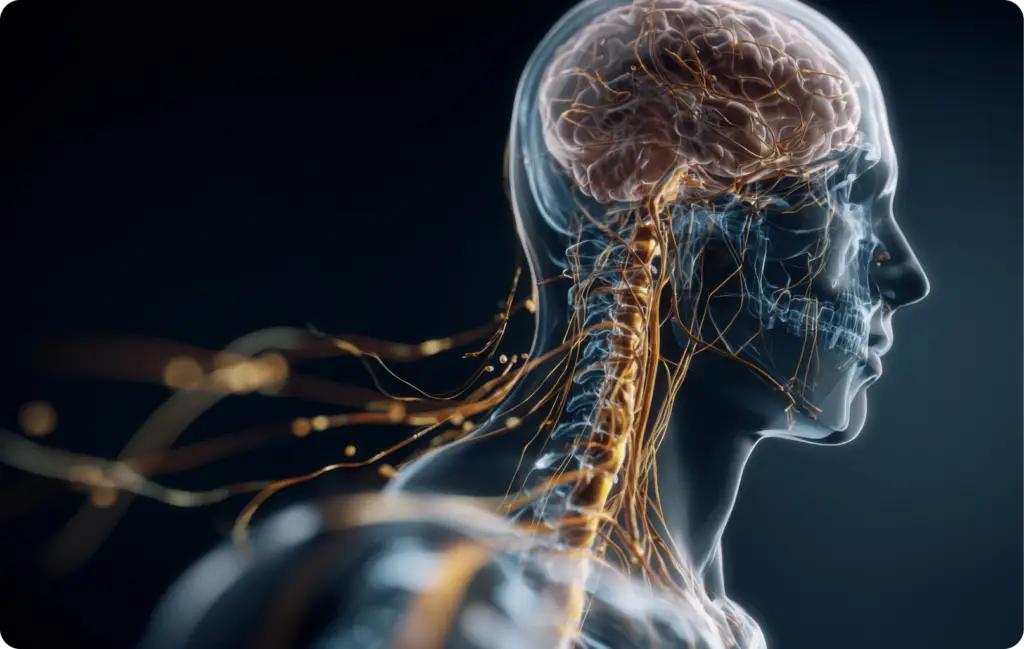
Plasmalogens affect brain function because the brain is one of the most lipid-rich and membrane-dependent organs in the body. Neurons, synapses, glial cells, myelin, white matter, mitochondria, and blood vessels all depend on organized membrane systems. These systems help the brain communicate, process information, regulate signals, maintain structure, and respond to stress. Plasmalogens are specialized […]