
How Plasmalogens Influence Aging

Aging is not driven by one pathway. It reflects changes across many biological systems, including cell membranes, mitochondria, peroxisomes, oxidative stress, inflammation, lipid metabolism, vascular function, immune regulation, and tissue repair. Plasmalogens influence aging because they sit at the intersection of several of these systems. They are specialized ether phospholipids found in cellular membranes throughout […]
How Plasmalogens Affect Brain Function
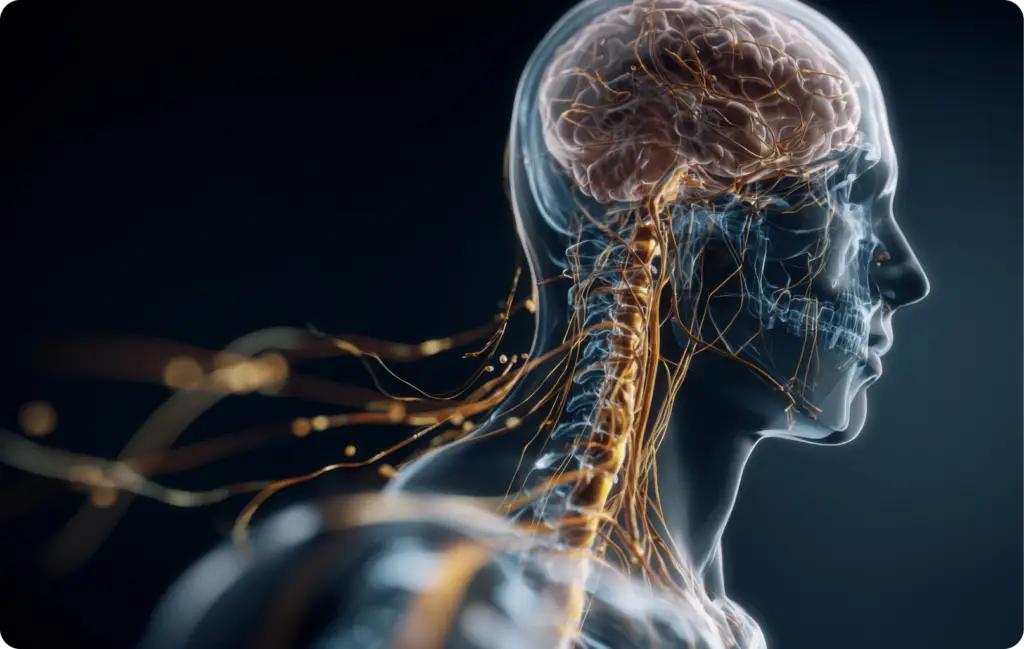
Plasmalogens affect brain function because the brain is one of the most lipid-rich and membrane-dependent organs in the body. Neurons, synapses, glial cells, myelin, white matter, mitochondria, and blood vessels all depend on organized membrane systems. These systems help the brain communicate, process information, regulate signals, maintain structure, and respond to stress. Plasmalogens are specialized […]
How The Myelin & White Matter Work In The Brain And Body
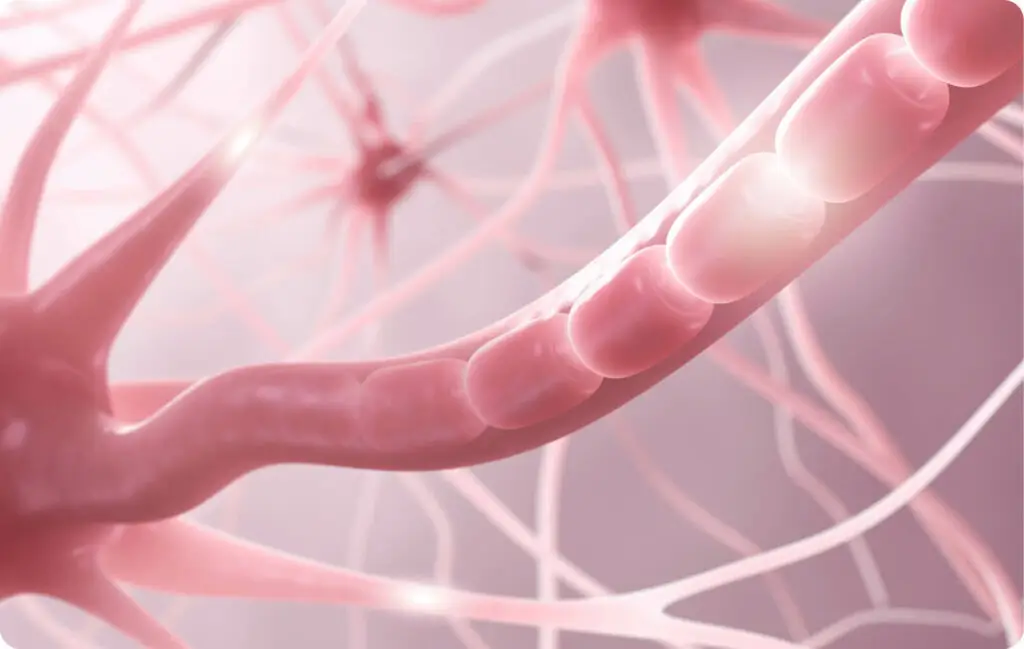
Myelin and white matter are essential to how the nervous system communicates. The brain and body depend on rapid, coordinated electrical signaling. Those signals allow movement, sensation, thought, memory, reflexes, balance, autonomic regulation, and communication between distant regions of the nervous system. Myelin helps those signals travel efficiently. White matter provides the organized communication pathways […]
How The Synapse Works in the Brain & Body
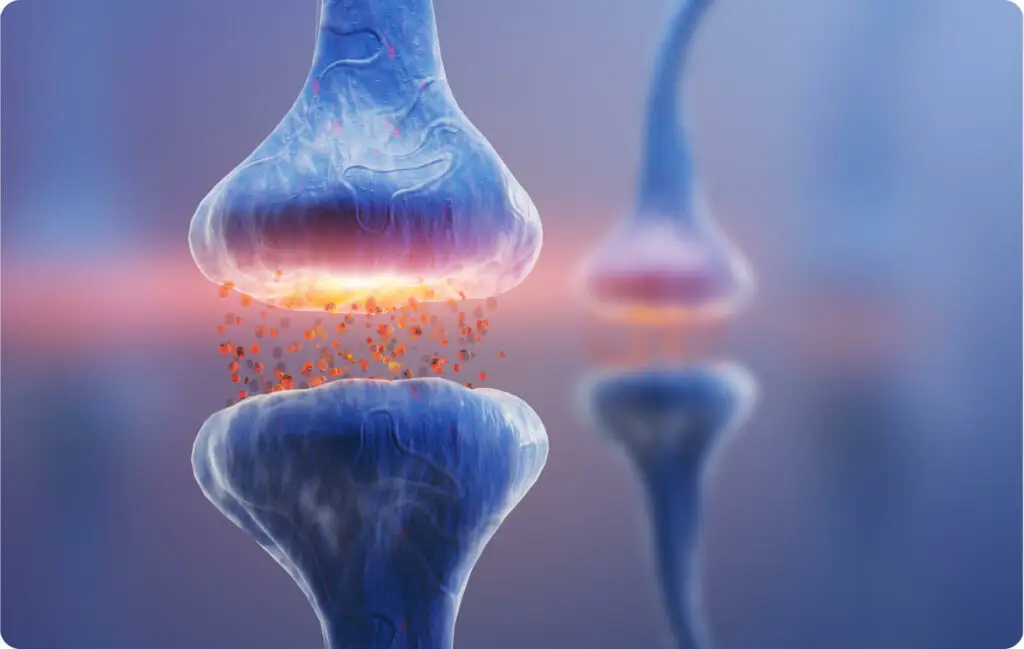
A synapse is the communication site where one nerve cell passes information to another cell. That receiving cell may be another neuron, a muscle cell, a gland cell, or another specialized target cell. Synapses allow the nervous system to coordinate thought, movement, sensation, memory, reflexes, autonomic control, and communication across the brain and body. The […]
Cell Membranes Explained
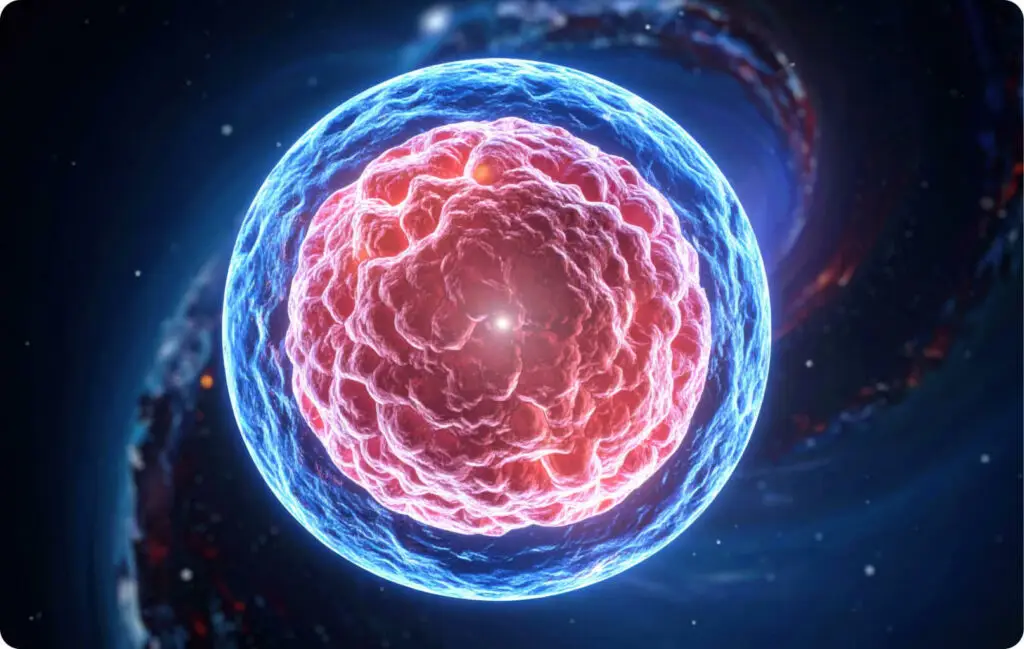
Cell membranes are the biological boundaries that make life possible. Every human cell is surrounded by a membrane. This membrane separates the inside of the cell from the surrounding environment while still allowing communication, transport, signaling, adaptation, and repair. A cell membrane is not a static wall. It is an active, responsive biological system. It […]
Why Plasmalogens Matter
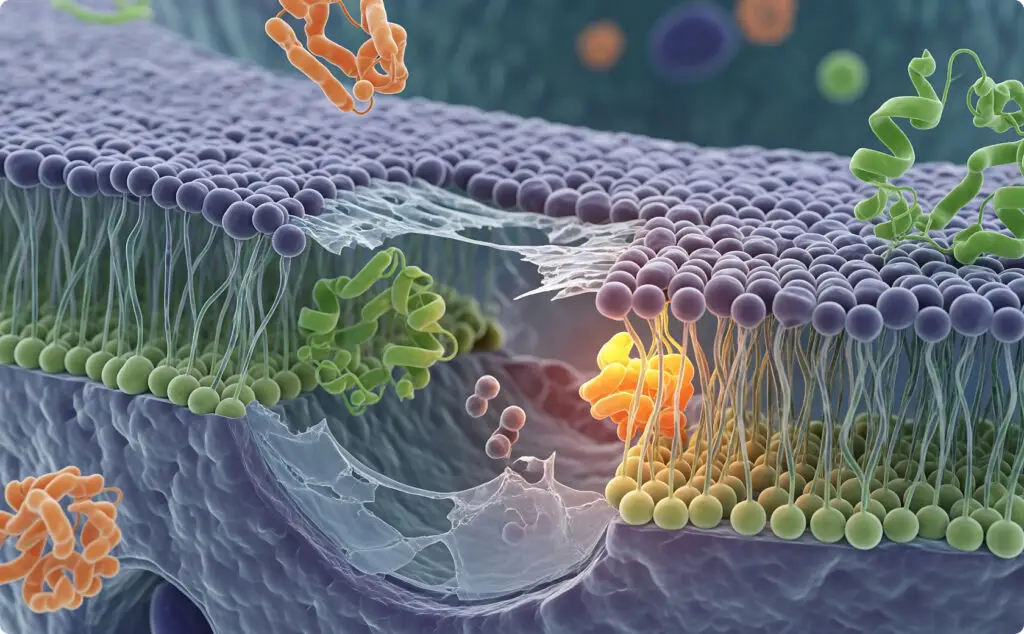
Plasmalogens matter because they are built into the architecture of human cells. They are specialized ether phospholipids found throughout the body, with especially high concentrations in the brain, nervous system, heart, immune cells, skeletal muscle, retina, and other tissues with high membrane demands. For decades, lipid science focused heavily on cholesterol, triglycerides, and fatty acids. […]
What Do Plasmalogens Do?
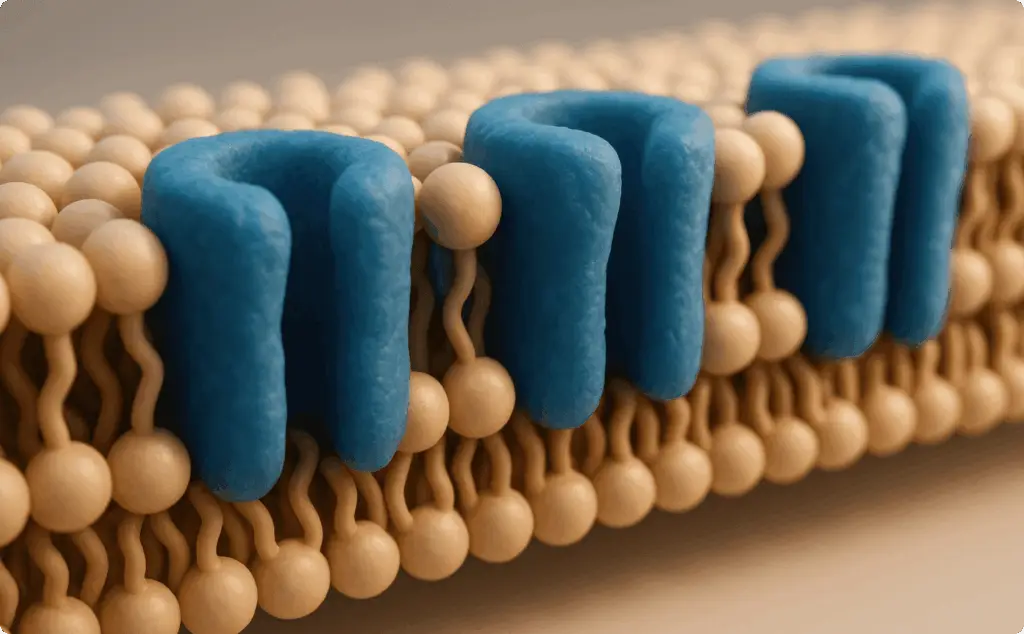
Plasmalogens help organize the cellular membrane systems that allow human cells to communicate, respond, protect themselves, and maintain structural integrity. They are specialized ether phospholipids found throughout the body, with high concentrations in the brain, nervous system, heart, immune cells, skeletal muscle, retina, and other metabolically active tissues. Their function begins with structure. Plasmalogens are […]
What Are Plasmalogens?
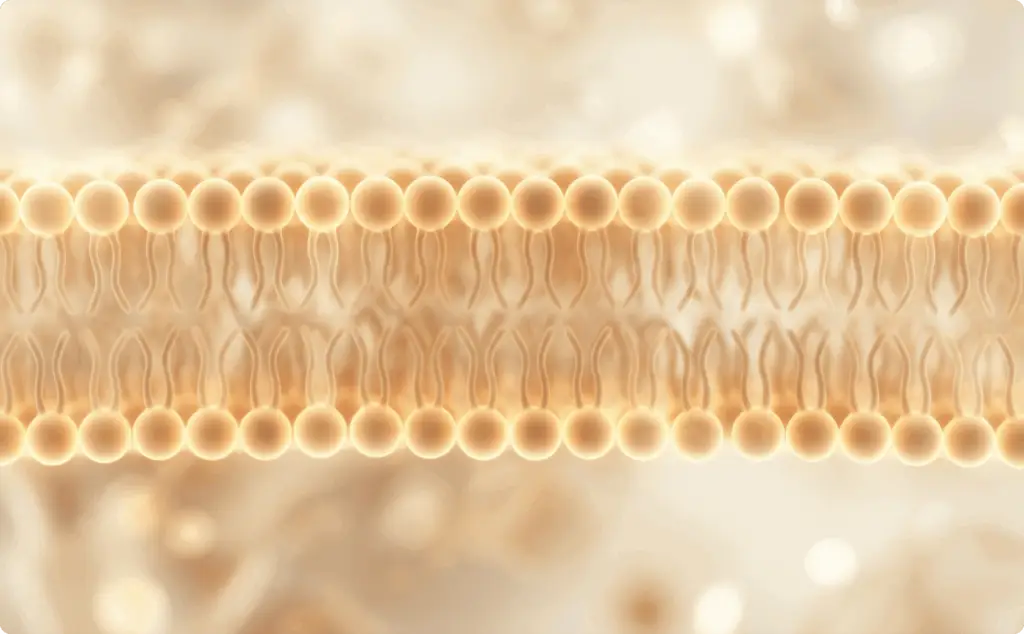
Plasmalogens are specialized phospholipids found in cell membranes throughout the body. They are especially concentrated in the brain, nervous system, heart, immune cells, skeletal muscle, retina, and other tissues that rely on highly organized membranes. Most people are familiar with cholesterol, triglycerides, fish oil, and omega fatty acids. Far fewer people have heard of plasmalogens, […]
How the Body Produces Plasmalogens

Plasmalogens are among the most important — yet least understood — molecules in human biology. These specialized phospholipids are essential components of cell membranes, especially in the brain, heart, immune system, and mitochondria. Scientists now recognize plasmalogens as key players in healthy aging, cognitive performance, membrane flexibility, antioxidant protection, and cellular communication. Yet despite their […]